🔥 1. Kali Chaudas 2026: Date, Chaturdashi Tithi & Astrological Calendar
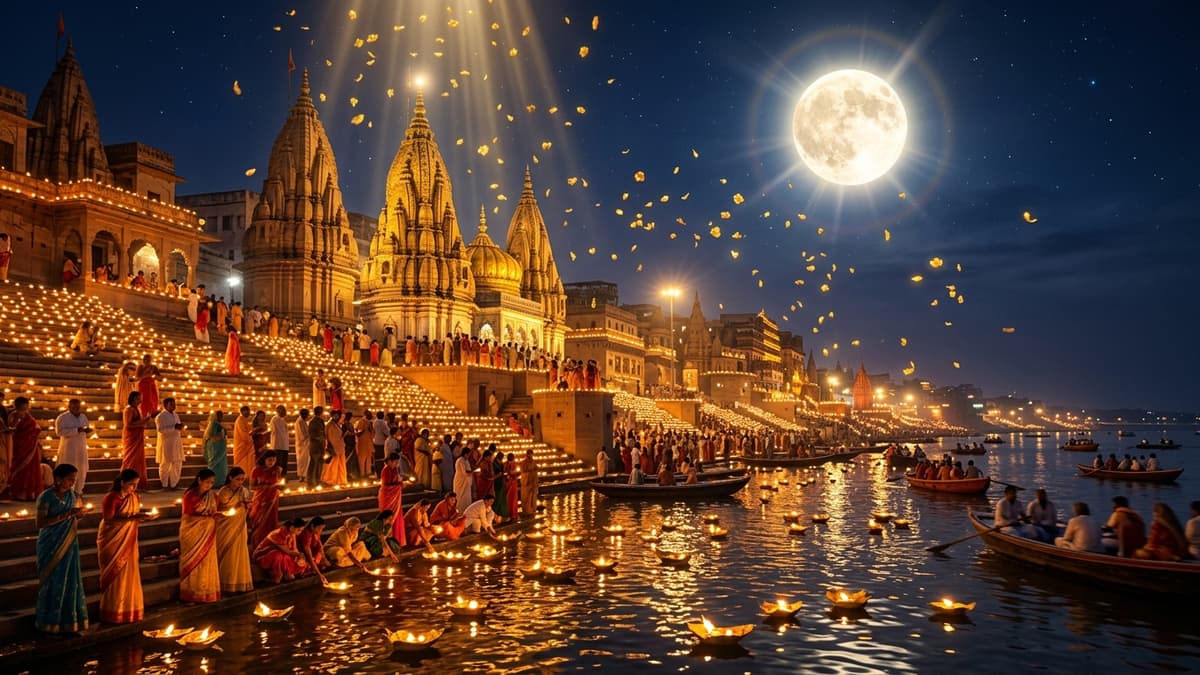
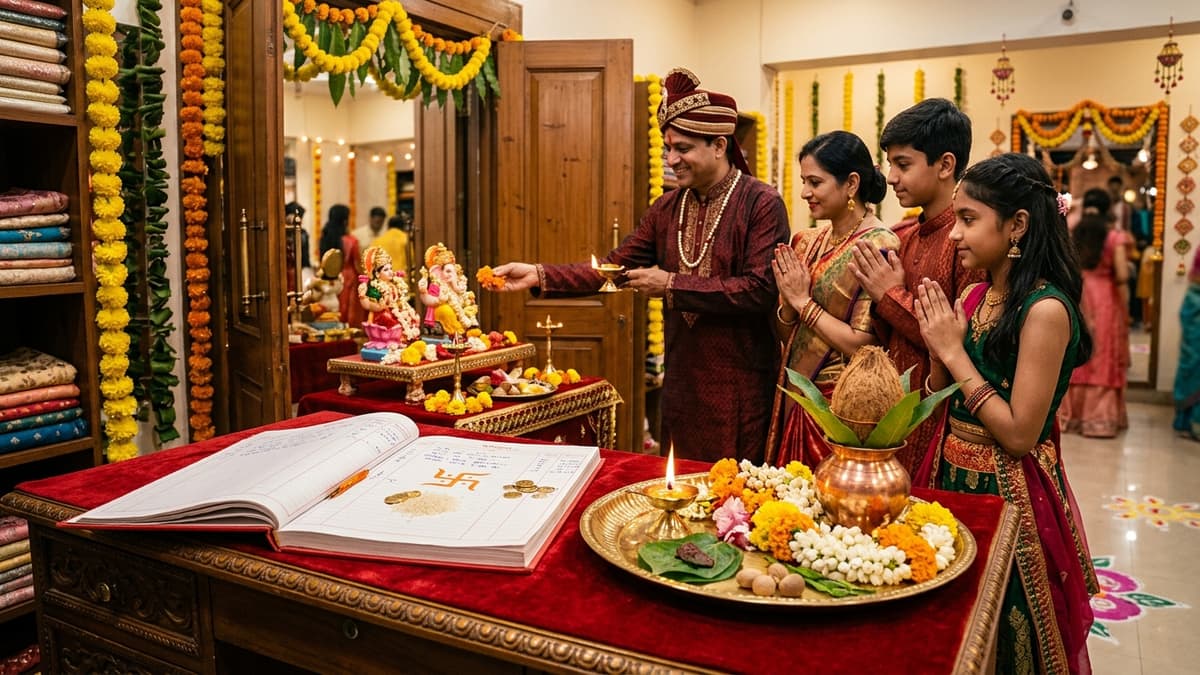
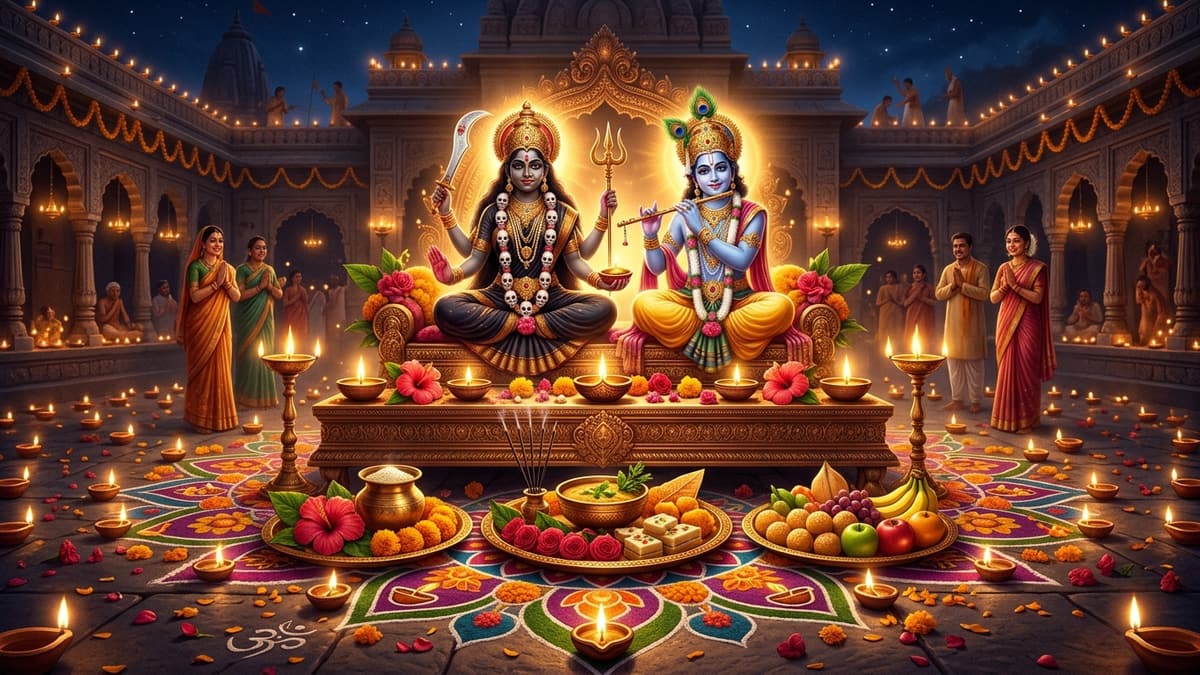
Kali Chaudas, also revered across Bharat as Naraka Chaturdashi, Roop Chaudas, Choti Diwali, and Bhoot Chaturdashi, is the mystically potent third day of the sacred five-day Diwali Mahotsav. Dedicated to the protective ferocity of Maa Mahakali (the supreme vanquisher of dark forces and ignorance) and celebrating Lord Krishna's triumph over the tyrannical demon Narakasura, Kali Chaudas holds extraordinary significance in the Vedic tradition.
In 2026, according to the Vedic lunar calendar (Vikram Samvat 2082), the festival falls during the dark fortnight (Krishna Paksha) of the sacred month of Ashwin—known as Aaso Vad Chaudas in Gujarat and Maharashtra (Amanta calendar), and as Ashwin Krishna Chaturdashi in North India (Purnimanta calendar). Following immediately after Dhanteras (Dhantrayodashi) and preceding Diwali Lakshmi Puja, the day purges negativity, illnesses, and spiritual blockages.
| Astronomical Event / Vedic Milestone | Calculated Timing (IST) | Scriptural Context & Ritual Observance |
|---|---|---|
| Chaturdashi Tithi Commences | Saturday, 7 November 2026 at 10:53 AM | Entry of auspicious Krishna Chaturdashi |
| Chaturdashi Tithi Concludes | Sunday, 8 November 2026 at 11:32 AM | Transition into Amavasya (Diwali day) |
| Maha Nishita Kaal Kali Puja Window | 11:39 PM to 12:31 AM (Night of 7–8 Nov) | Midnight 52-minute window for Mahakali & Bhairav Archan |
| Roop Chaudas Abhyanga Snan Muhurat | Sunday, 8 November 2026 (05:08 AM – 06:48 AM) | Pre-dawn holy bath with sesame oil and aromatic ubtan |
| 14 Earthen Diyas (Chaudas Deepam) | Saturday, 7 November 2026 (05:59 PM – 07:15 PM) | Dusk illumination to ward off ancestral distress |
| Diwali Lakshmi Puja (Following Evening) | Sunday, 8 November 2026 (Pradosh Kaal) | Commencement of Amavasya Lakshmi-Ganesha Archan |
Astronomical Dual-Timing Note: Because Chaturdashi prevails through the midnight of Saturday (Nov 7) and concludes on Sunday late morning (Nov 8 at 11:32 AM), the two primary traditions of this festival occur seamlessly: the midnight Kali Chaudas Puja & Vada Naivedya is observed on Saturday night, November 7, while the sacred pre-dawn Roop Chaudas Abhyanga Snan is observed on Sunday morning, November 8, before Diwali festivities begin. Track live tithi transitions and local sunrise times on our Daily Vedic Panchang.
🌌 2. Maha Nishita Kaal Mahakali Puja Muhurat & Night Choghadiya
According to Tantric and Puranic treatises (Mantra Mahodadhi and Nirnaya Sindhu), Goddess Mahakali's protective energies are invoked during the Nishita Kaal—the exact midnight two ghatikas (approx. 48 to 54 minutes) surrounding astronomical midnight. At this celestial juncture, the cosmic veil thins, and sincere prayers dissolve deep-seated fears, malicious evil eyes (Buri Nazar), sorcery, and psychological shadows.
On the night of Saturday, November 7, 2026, the Maha Nishita Kaal spans from 11:39 PM to 12:31 AM (Sunday, Nov 8) across Indian coordinates. Below are the verified city-wise timings for major metropolitan hubs:
| City / Region | Nishita Kaal Kali Puja Window | Night Choghadiya Quality |
|---|---|---|
| Ahmedabad / Gandhinagar | 11:42 PM – 12:34 AM | Shubha & Amrita (Supreme Spiritual Protection) |
| Vadodara / Surat / Rajkot | 11:41 PM – 12:33 AM | Shubha & Amrita |
| Mumbai / Thane / Pune | 11:43 PM – 12:35 AM | Shubha & Amrita |
| New Delhi / NCR | 11:38 PM – 12:30 AM | Labha & Shubha |
| Jaipur / Udaipur | 11:40 PM – 12:32 AM | Shubha & Amrita |
| Bengaluru / Hyderabad | 11:38 PM – 12:29 AM | Shubha & Amrita |
| Kolkata / Eastern India | 11:06 PM – 11:58 PM | Maha Kali Bhoot Chaturdashi Archan |
Explore live real-time shifting astrological divisions for your exact location on our Live Choghadiya & Shubh Timings Portal.
🌿 3. Roop Chaudas & Naraka Chaturdashi Abhyanga Snan: Sacred Pre-Dawn Holy Bath
In addition to night-time Kali archan, the festival is renowned as Roop Chaudas and Naraka Chaturdashi, celebrated with the sacred Abhyanga Snan (pre-dawn medicated oil bath). The Dharma Sindhu prescribes that bathing during Arunodaya (twilight before sunrise) while Chaturdashi prevails cleanses one of all sins, imparts divine physical radiance (Roop), and grants exemption from suffering in the realm of Yama (Naraka).
On Sunday morning, November 8, 2026, the auspicious Abhyanga Snan window extends from 05:08 AM to 06:48 AM (Duration: 1 Hour 40 Minutes). The moon remains in the sky during this divine dawn bath.
Vedic Abhyanga Snan Vidhi (Step-by-Step):
- Til Oil Massage (Sesame Oil): Before sunrise, warm pure sesame oil (Til ka Tel) and gently massage it over your entire body. The scriptures declare that on Naraka Chaturdashi dawn, Goddess Mahalakshmi resides in sesame oil, and holy river Ganga resides in all water ("Tailē Lakṣmīḥ Jalē Gaṅgā").
- Aromatic Herbal Ubtan: Apply a traditional scrub made of chickpea flour (Besan), sandalwood powder, turmeric (Haldi), rose water, and camphor. This revitalizes the skin, improves blood circulation, and sheds physical toxins.
- Apamarga Twirling Ritual: Take leaves and roots of the sacred Apamarga herb (Chirchita / Aghada) and swirl them gently over your head three times from left to right while reciting the prayer for deliverance from hellish torment.
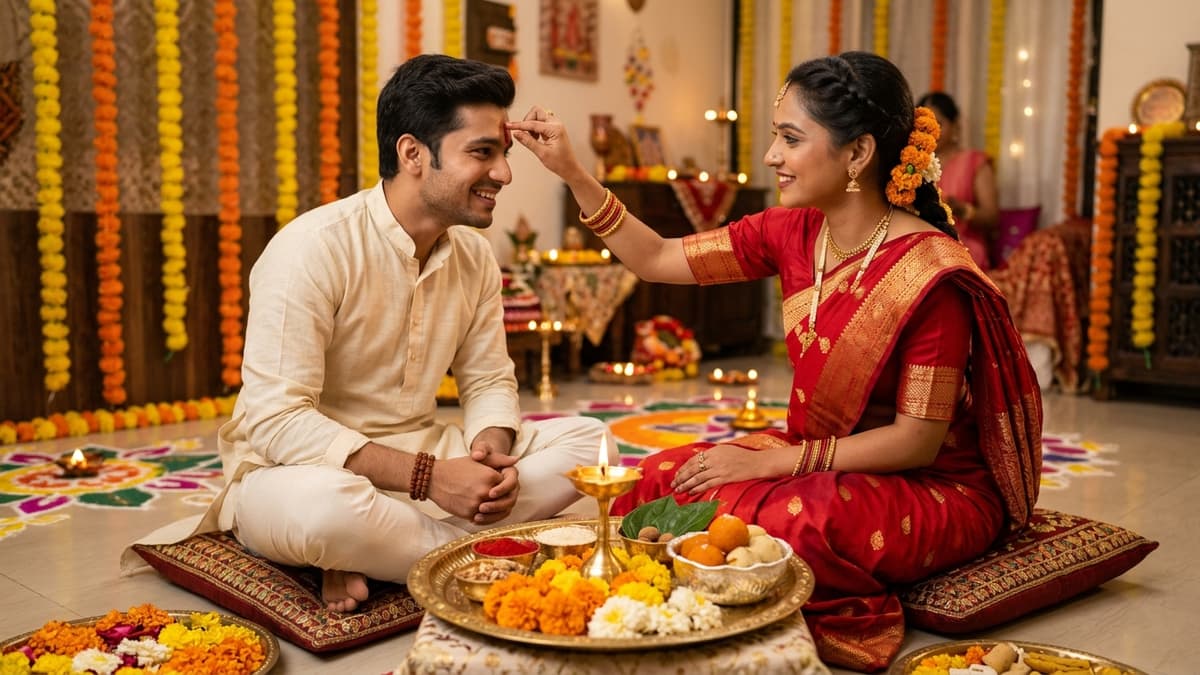
- Warm Water Bath & Fresh Clothes: Bathe in warm water, wear fresh celebratory attire, apply tilak, and offer Arghya to the rising Sun.
🏹 4. The Divine Legend: Lord Krishna, Satyabhama & the Vanquishing of Narakasura
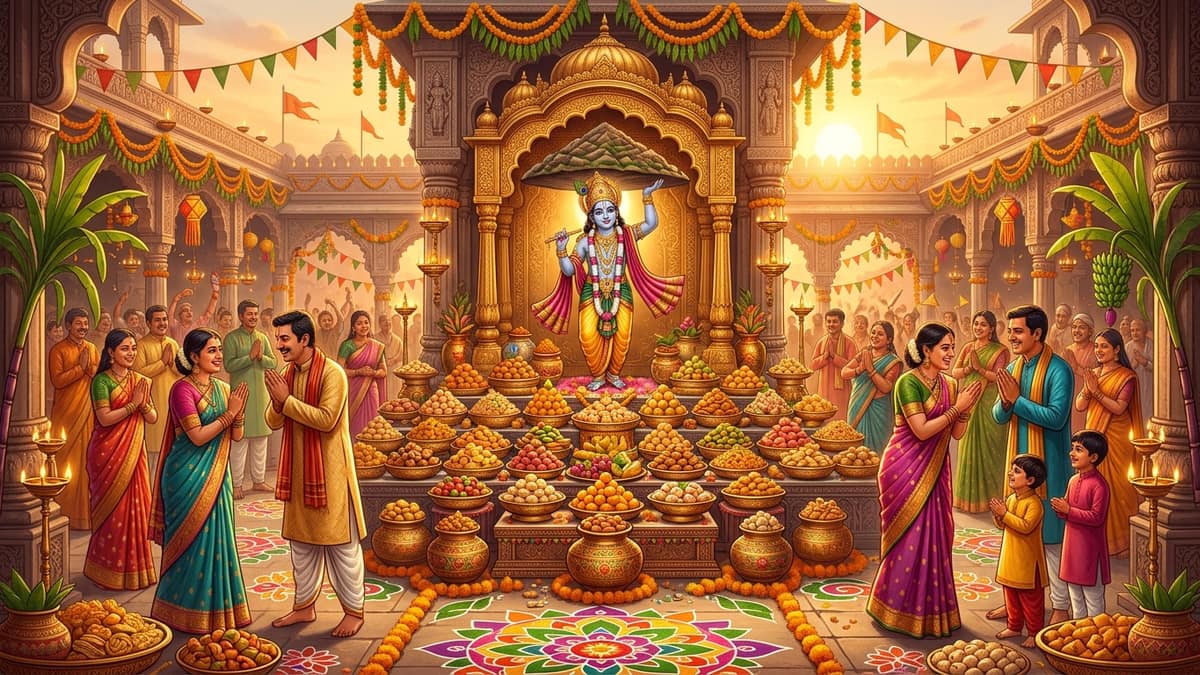
The primary Puranic chronicle of Naraka Chaturdashi stems from the Srimad Bhagavata Purana (Canto 10, Chapter 59) and the Vishnu Purana. The demonic ruler Narakasura (Bhaumasura), having obtained a boon of invincibility, wrought havoc across heaven, earth, and the netherworlds. He imprisoned 16,100 celestial maidens and stole the radiant earrings of Aditi, the cosmic mother of the Devas.
Because Narakasura could only be slain by his cosmic mother Bhumi Devi, Lord Sri Krishna rode on Garuda accompanied by his consort Queen Satyabhama (an avatar of Bhumi). In a fierce battle, Satyabhama and Sri Krishna annihilated the demon on Ashwin Krishna Chaturdashi. As he lay dying, Narakasura repented and requested a boon from the Lord: "May anyone who bathes before sunrise on this Tithi and lights auspicious lamps be spared from hellish misery and blessed with spiritual splendor."
Upon returning to Dwarka victorious, Sri Krishna was anointed with fragrant oils by the city residents to wash away the battle grime—giving birth to the enduring custom of Abhyanga Snan and Diwali illuminations. Read more festive narratives on our dedicated Sanatan Stories & Scriptural Lore.
🔱 5. The Power of Goddess Mahakali: Dispelling Darkness, Evil Eye & Inner Demons
In Western India, particularly Gujarat, Rajasthan, and Maharashtra, this festival is consecrated primarily to Maa Mahakali. As the fierce cosmic mother, Mother Kali represents the transformative power of time (Kala) that swallows darkness and re-establishes cosmic equilibrium.
Sanatan wisdom recognizes that before inviting Goddess Mahalakshmi into the home on Diwali, one must first eradicate the accumulated filth of negative thoughts, grudges, jealousies, and psychic heaviness. Kali Chaudas acts as a spiritual cleansing ceremony where the household is purged of:
- External Negativities: Malicious gaze (Nazar), jealousy, and evil influences.
- Internal Demons: Sloth (Alasya), fear (Bhaya), anger (Krodha), and ignorance (Ajnana).
- Planetary Afflictions: Harsh planetary combinations of Saturn (Shani), Rahu, and Ketu.
🍲 6. Unique Gujarati Traditions: Tal-Vada, Kheer & "Kanklat Kadhvo"
In Gujarat, Kali Chaudas is celebrated with deeply cherished, vibrant folk customs that bridge Vedic symbolism with culinary warmth:
- Preparation of Crispy Vadas & Kheer: In every Gujarati home, fresh hot Tal-Vada (crispy vadas made of urad dal or methi, studded with white and black sesame seeds) and sweet rice Kheer are prepared. The black urad and sesame represent planetary pacification of Shani and Rahu, while the nourishing vada is offered as Naivedya to Maa Kali, Lord Bhairav, and the family deity (Kuldevi).
- The Ritual of "Kanklat Kadhvo": 'Kanklat' in Gujarati refers to domestic friction, arguments, bickering, and domestic discord. Late at night, an earthen vessel or small portion of vada, cooked rice, and mustard is symbolically circled around the house to absorb discord and deposited at a four-way crossroad (Chowk). The person walking back does not turn around, symbolizing that lingering disputes have departed forever.
- Applying Homemade Kajal (Aanchan): Soot collected from the evening earthen diya (prepared using pure ghee and camphor) is applied into the eyes of family members—especially children—to protect against evil eye and sharpen vision.
🪔 7. Step-by-Step Kali Chaudas Puja Vidhi at Home
Perform the following straightforward Vedic archan during the evening or Maha Nishita Kaal on Saturday, November 7, 2026:
- Altar Setup: Spread a red or black silk cloth on a wooden chauki. Place an idol or portrait of Maa Mahakali, Lord Bhairav, and Lord Hanuman (the great protector).
- Purification & Deepam: Sprinkle Gangajal. Light a large four-wick mustard oil lamp (Sarson ka Tel) or sesame oil lamp.
- Sacred Offerings: Offer fresh red hibiscus flowers (Jasoos), vermilion (Sindoor), Akshat (unbroken rice), cloves, betel nut, and black sesame seeds (Kala Til).
- Bhog / Naivedya: Offer freshly fried urad dal vadas, sweet kheer, jaggery, and batasha.
- Lighting the 14 Earthen Diyas: On Chaturdashi evening, light 14 small earthen lamps filled with mustard oil. Place them at the front entrance, southern corner, courtyard, rubbish corner, kitchen, and water source to banish negative energies.
- Chanting & Aarti: Chant 108 rounds of the Mahakali Mantra or Hanuman Chalisa, and conclude with camphor aarti.
🕉️ 8. Sacred Vedic & Tantric Mantras for Kali Chaudas
Chanting these sacred verses during the twilight and midnight hours generates a fortress of spiritual protection:
1. Maa Mahakali Bija Mantra (For Protection & Courage)
ॐ क्रीं कालिकायै नमः ॥
ॐ जयन्ती मङ्गला काली भद्रकाली कपालिनी ।
दुर्गा क्षमा शिवा धात्री स्वाहा स्वधा नमोऽस्तु ते ॥
"Salutations to Mother Mahakali, the victorious, auspicious, and all-forgiving divine protector who grants ultimate refuge, freedom from fear, and spiritual victory."
2. Sacred Abhyanga Snan Mantra (Sunday Dawn Bath)
अश्वत्थामा बलिर्व्यासो हनूमांश्च विभीषणः ।
कृपः परशुरामश्च सप्तैते चिरजीविनः ॥
"May meditating upon the seven immortals during the dawn bath bestow longevity, radiant health, and immunity from untoward diseases."
🌺 9. Regional Variations: Bhoot Chaturdashi, Choti Diwali & Deepavali Snanam
Across India's cultural mosaic, the day resonates with profound regional diversity:
- Bengal & Eastern India (Bhoot Chaturdashi): Celebrated as Bhoot Chaturdashi. Households light fourteen earthen lamps (Choddo Pradeep) to guide the spirits of fourteen generations of ancestors (Choddo Purush) and eat fourteen types of leafy greens (Choddo Shaak) to boost immunity.
- North India (Choti Diwali & Roop Chaudas): Known as Choti Diwali. Houses are swept immaculately clean, decorated with paper lanterns (Kandils), and lit with 14 mustard oil diyas. Beauty salons and homes buzz with preparations for the morning Roop Snan.
- South India (Tamil Nadu, Karnataka & Kerala): This day is the primary day of Deepavali celebration. Before dawn, families take the medicated sesame oil bath (Ganga Snanam), burst crackers to commemorate Narakasura's defeat, wear brand new clothes (Pattumani), and consume festive sweets and savory snacks.
To discover the complete calendar of major festivals, Ekadashis, and astronomical events throughout Vikram Samvat 2082, explore our Complete Hindu Festivals Calendar.