📖 Introduction & Spiritual Essence of Holi and Dhuleti
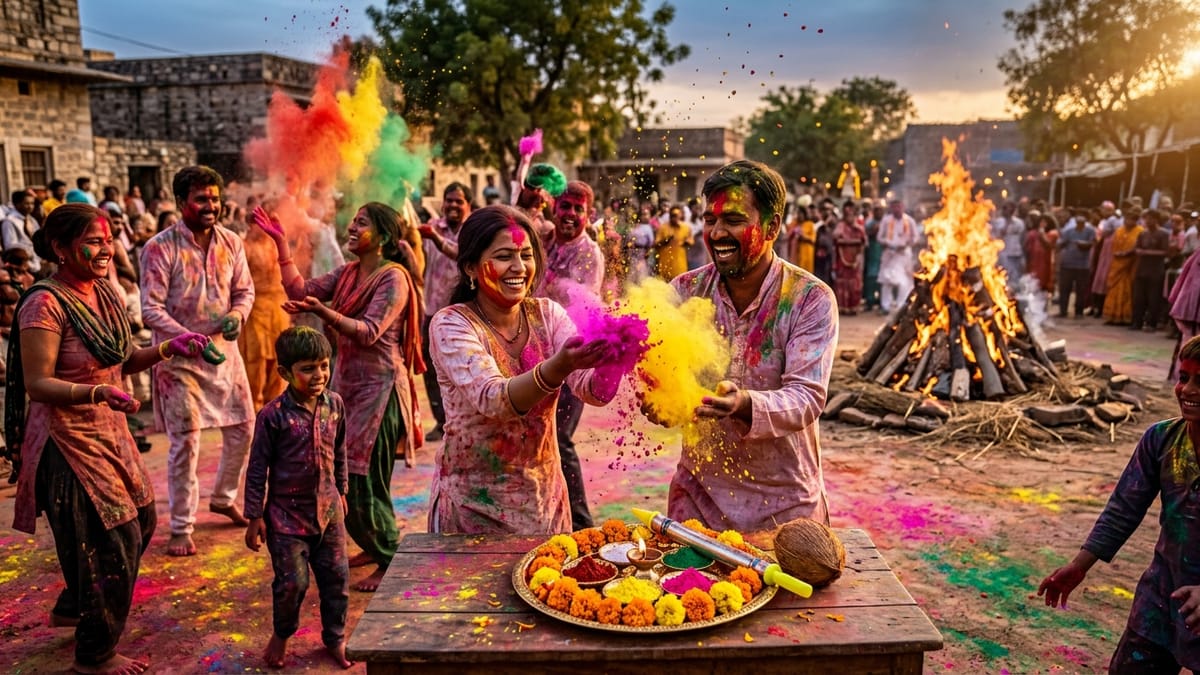
Holi is celebrated across the Indian subcontinent and worldwide as the glorious festival of colors, divine love, and the eternal victory of righteousness over evil. Falling on the full moon day of the Hindu month of Phalguna (Vikram Samvat 2083), this grand two-day festival begins with the sacred bonfire ritual of Holika Dahan (also known as Chhoti Holi) on Phalguna Purnima evening, followed by the vibrant carnival of colors known as Dhuleti (or Dhulandi / Rangwali Holi) on the following day.
In the Vedic spiritual tradition, Holi is far more than a playful splash of colors. It heralds the arrival of spring (Vasant Rutu), the blossoming of fresh crop harvests, and the cosmic renewal of vitality. The holy fire of Holika Dahan symbolizes the destruction of deep-seated internal impurities—greed, lust, anger, and ego—and the safeguarding of true devotion as exemplified by the young devotee Bhakta Prahlad.
In 2027, Holika Dahan will be observed on Sunday, March 21, 2027 during the auspicious Pradosh Kaal window, while the colorful celebration of Dhuleti will take place on Monday, March 22, 2027.
📖 Authentic Astronomical Timings & Holika Dahan Muhurat for 2027
According to classical Hindu dharma-shastras, conducting Holika Dahan at the exact scriptural time is essential. The ritual must be performed on Phalguna Shukla Purnima during Pradosh Kaal (the sacred dusk period after sunset), strictly avoiding the malignant influence of Bhadra Mukha. Below are the authentic Vedic Panchang timings for Holi 2027 (Indian Standard Time):
| Panchang / Festival Element | Calculated Auspicious Timing (IST) | Significance & Scriptural Guidelines |
|---|---|---|
| Holika Dahan (Chhoti Holi) Date | Sunday, 21 March 2027 | Evening bonfire ritual, Prahlad pujan & grain offering |
| Purnima Tithi Begins | 21 March 2027, 06:21 PM | Chaturdashi ends; sacred Full Moon tithi commences |
| Purnima Tithi Ends | 22 March 2027, 04:13 PM | Purnima completes in the afternoon of Monday |
| Holika Dahan Shubh Muhurat (Pradosh) | 06:33 PM – 08:55 PM (Duration: 2h 22m) | Most auspicious window across New Delhi & North India |
| Holika Dahan Muhurat (Gujarat / Mumbai) | 06:51 PM – 09:13 PM | Auspicious sunset-adjusted Pradosh Kaal for Western India |
| Dhuleti / Rangwali Holi Date | Monday, 22 March 2027 | Joyful play of colors, herbal gulal, sweets & family gatherings |
| Chaitra Krishna Pratipada Begins | 22 March 2027, 04:13 PM | Welcoming the commencement of the Chaitra month |
To check city-specific auspicious timings throughout the day for family gatherings and festive preparations, consult our real-time Today's Choghadiya Timings and plan religious rituals using our authentic Shubh Muhurat Calendar.
📖 Puranic Legends: Bhakta Prahlad, Kamadeva & Radha-Krishna
The celebrations of Holi are steeped in profound sacred lore that spans multiple ages (Yugas):
- The Legend of Bhakta Prahlad & Holika: The demonic king Hiranyakashipu demanded that all subjects worship him as God. However, his young son Prahlad was an ardent devotee of Lord Narayana (Vishnu). Enraged, Hiranyakashipu conspired with his demoness sister Holika, who possessed a celestial fireproof shawl. Holika sat on a raging pyre with child Prahlad on her lap. But by the grace of Lord Vishnu, a divine gust of wind blew the shawl off Holika onto Prahlad. Holika burned to ashes, while Prahlad emerged unharmed, chanting Lord Hari's name. Read the full sacred story on our Puranic Vrat Kathas Portal.
- Kamadahana (The Burning of Kamadeva): In South Indian traditions, Holi commemorates Lord Shiva opening his third eye to reduce Kamadeva (the god of desire) to ashes after he disturbed Shiva's deep meditation. Later, upon the earnest prayers of Goddess Rati, Shiva restored Kamadeva in a spiritual form. This burning signifies overcoming lust and base desires through spiritual wisdom.
- Radha-Krishna Rangotsav in Braj: In Mathura, Vrindavan, and Barsana, Holi celebrates the divine, eternal love between Lord Krishna and Shri Radha Rani. Lord Krishna playfully complained to mother Yashoda about his dark complexion compared to Radha's fair skin. Yashoda jokingly advised him to smear colors on Radha's face. This playful pastime blossomed into the world-famous Lathmar Holi and Phoolon ki Holi of Braj.
📖 Step-by-Step Holika Dahan Pujan Vidhi & Evening Rituals
Performing the Holika Puja with family members before lighting the bonfire attracts peace, wards off negative energies (Nazar Dosha), and bestows health and agricultural abundance. Follow this traditional procedure:
- Puja Thali Preparation: Assemble an auspicious brass puja thali with pure water in a lota, unbroken rice (Akshat), roli, turmeric powder (Haldi), fragrant flowers, unbroken coconut (Shrifal), batashas, jaggery, raw cotton thread (Kacha Soot), dried cow-dung cakes (Badkulla / Gulari), and fresh stalks of green wheat or barley (Jau ki Baaliyan).
- Sankalpa & Lord Ganesha Pujan: Sit facing East or North near the Holika structure. Sprinkle water on yourself and invoke Lord Ganesha, Lord Narasimha, and Bhakta Prahlad.
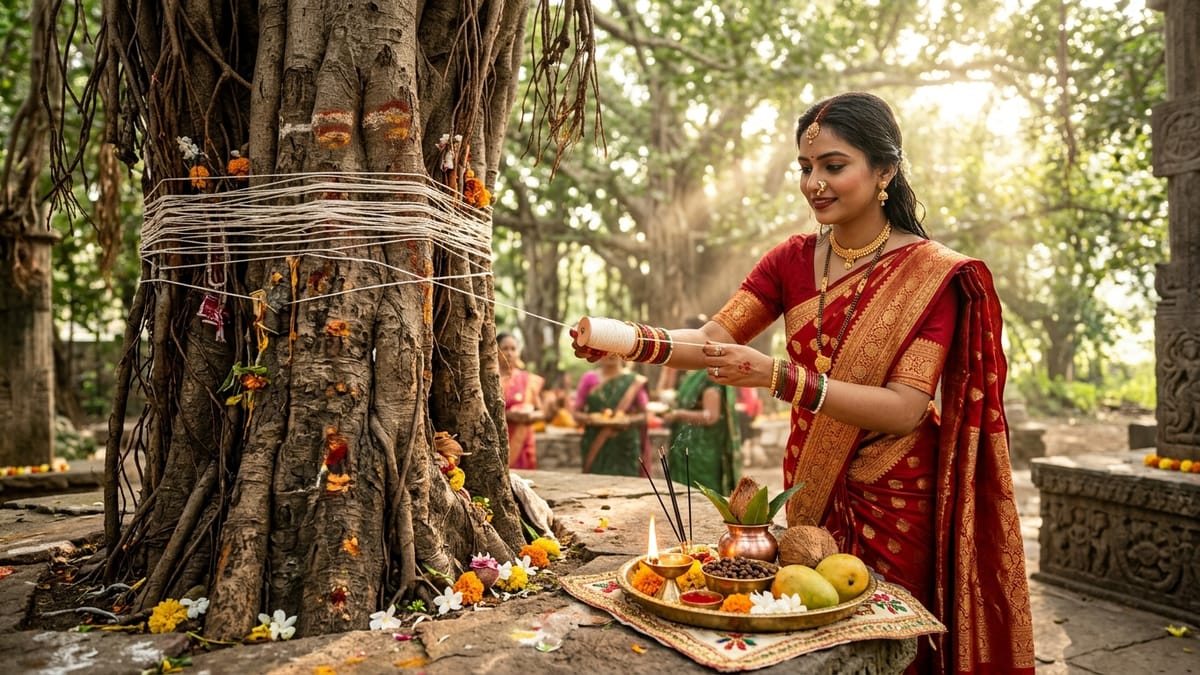
- Soot Parikrama (Circumambulation): Hold the raw cotton thread and walk around the Holika structure 3, 5, or 7 times in a clockwise direction, winding the thread around the wood while praying for family protection and harmony.
- Offering of Harvest Crops: Offer the freshly harvested ears of wheat and barley to the sacred fire pyre. This ancient Vedic agricultural thanksgiving (Navanna Yajna) expresses gratitude to Mother Earth for the winter harvest.
- Lighting the Bonfire: Light the bonfire during the prescribed Pradosh Muhurat (06:33 PM – 08:55 PM). Offer water arghya around the periphery of the fire.
- Roasting the Grain & Collecting Sacred Bhasma: Lightly roast the fresh wheat ears in the flames and distribute them as consecrated prasad. The next morning, collect the sacred ash (Holika Bhasma) and apply a small tilak on the forehead of family members to protect against malefic influences.
📖 Dhuleti (Rangwali Holi) 2027: Traditions, Colors & Community Harmony
On Monday, March 22, 2027, the dawn breaks into the unrestrained joy of Dhuleti. Across towns and villages, people greet each other with the traditional phrase "Bura na mano, Holi hai!" and apply bright gulal powders to cheeks and foreheads.
Traditional customs of Dhuleti include:
- Bhasma Tilak at Dawn: Before playing with colors, elders apply a tilak of sacred Holika ashes, honoring the triumph of spiritual purity.
- Natural & Herbal Colors: Traditional Hindu culture advocates the use of herbal colors made from dried Palash (Tesu) flower water, sandalwood, turmeric, and marigold. These herbal infusions carry antiseptic properties that naturally cool and protect the skin during seasonal temperature rises.
- Festive Delicacies: Families prepare and share traditional delicacies such as Gujiya (sweet mawa and dry-fruit turnovers), Thandai (spiced almond milk flavored with saffron and cardamom), Malpua, Dahi Vada, and in Gujarat and Maharashtra, delicious Puran Poli and Fafda-Gathiya.
- Reconciliation & Social Harmony: Holi serves as an invaluable cultural balm, wiping away grudges, past conflicts, and social divisions. People visit relatives and neighbors to exchange sweets and warm embraces.
📖 Sacred Mantras for Holika Pujan & Planetary Protection
Recite these powerful Vedic mantras during the Holika Dahan ceremony to invoke divine blessings and remove malefic planetary afflictions:
🔥 Holika Parikrama & Pujan Mantra:
"Vanditasi Surendrena Gandharvaih Siddha-Charanaih |
Tvam Devi Murte Shantartha Lokanam Shubh-dayini ||"
Meaning: O sacred deity worshipped by the rulers of gods, Gandharvas, and Siddhas! We salute you to bestow peace, welfare, and prosperity upon all beings in this world.
🦁 Lord Narasimha Maha Mantra (Protection from Evil):
"Om Ugram Viram Maha-Vishnum Jvalantam Sarvato Mukham |
Nrisimham Bhishanam Bhadram Mrityur Mrityum Namamyaham ||"
Meaning: I bow to the ferocious and heroic Lord Maha Vishnu in his Narasimha form, whose blazing face radiates everywhere, the terrifying yet benevolent protector who conquers death itself. Find more mantras on our Vedic Mantras Portal.
📖 Stay Connected With Auspicious Hindu Festivals on Your Mobile
Download Hindu Calendar Mobile App
Get accurate, city-specific Holika Dahan muhurats, daily Choghadiya timings, Ekadashi vrat dates, and comprehensive Panchang calculations right in your pocket.
⚡ Get Hindu Calendar on Google Play Store100% Free • Works Offline • Accurate Astronomical Calculations