🌕 1. Sharad Purnima 2027: Date, Purnima Tithi & Astronomical Timings
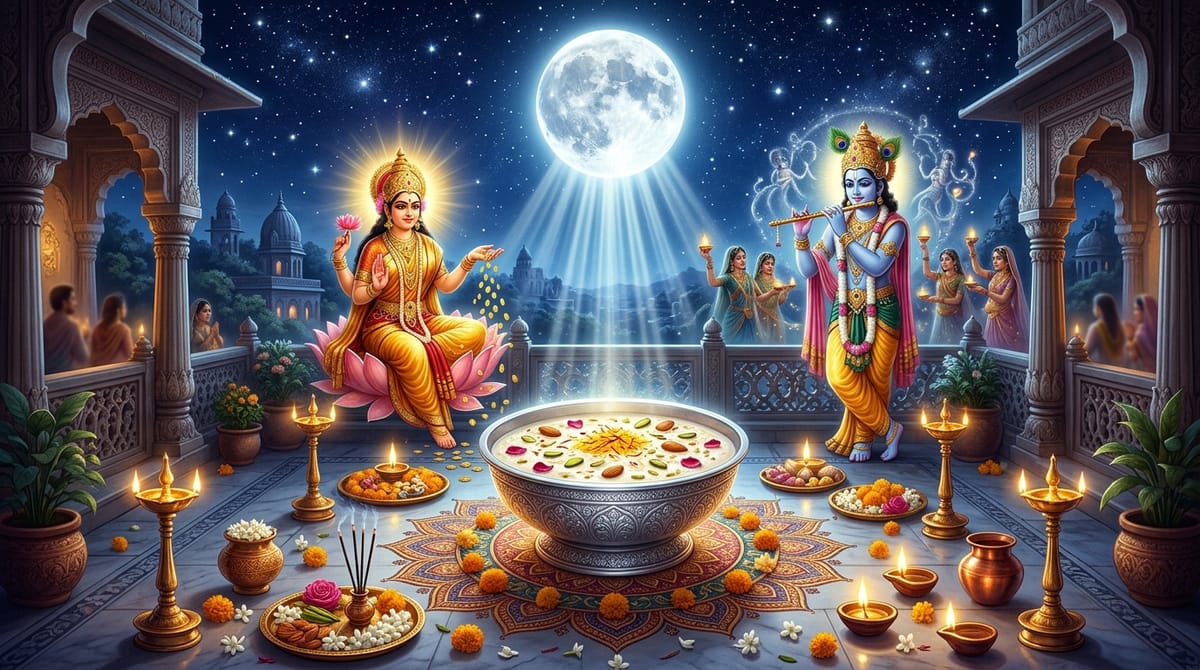
Sharad Purnima, revered across Bharat as Kojagari Purnima, Kaumudi Utsav, and Raas Purnima, is celebrated on the full moon day of the sacred Hindu month of Ashwin (known as Aaso Sud Punam in Gujarat, Maharashtra, and Western India). In the year 2027, Sharad Purnima's celestial night rituals, Kojagari Lakshmi worship, and moonlit Kheer amrit exposure are observed on Thursday, October 14, 2027, with the holy river bathing and Satyanarayan Purnima fast continuing into Friday, October 15, 2027.
According to high-precision Drik Siddhanta Vedic ephemeris calculations (Vikram Samvat 2083-2084), Purnima Tithi commences on Thursday, October 14, 2027 at 06:49 PM IST and concludes on Friday, October 15, 2027 at 07:16 PM IST. Because ancient Vedic authorities—including Nirnaysindhu and Dharmasindhu—stipulate that Kojagari Lakshmi Puja and nocturnal moonbathing must be observed when Purnima tithi prevails during Nishita Kaal (midnight), Thursday night, October 14, 2027 is the authentic time for the nocturnal vigil and Kheer ritual. Track live planetary longitudes and tithi transitions on our Daily Vedic Panchang.
| Astronomical Event / Vedic Milestone | Calculated Timing (IST) | Scriptural Significance |
|---|---|---|
| Purnima Tithi Commences | Thursday, 14 October 2027 at 06:49 PM | Full moon cosmic rays begin bathing the Earth |
| Purnima Tithi Concludes | Friday, 15 October 2027 at 07:16 PM | Transition into Kartik Krishna Paksha Pratipada |
| Moonrise Time (Chandrodaya) | Thursday, 14 October 2027 at ~05:32 PM – 05:54 PM | Moon rises with all 16 divine attributes (Kalas) |
| Kojagari Lakshmi Puja (Nishita Kaal) | 11:42 PM to 12:32 AM (Night of Oct 14–15) | Duration: 50 Mins • Goddess Mahalakshmi visits asking 'Ko Jagarti?' |
| Auspicious Moonlit Kheer Window | 08:00 PM to 12:30 AM Midnight | Placing kheer under moonlight for medicinal nectar absorption |
| Purnima Snan & Satyanarayan Vrat | Friday, 15 October 2027 (All Day till 07:16 PM) | Udayatithi morning river snan, daan, and Satyanarayan Puja |
Major Indian Cities Moonrise Schedule (Thursday, 14 October 2027):
| City | Moonrise (IST) | City | Moonrise (IST) |
|---|---|---|---|
| Vadodara / Ahmedabad | 05:51 PM | Mumbai / Pune | 05:54 PM |
| New Delhi / NCR | 05:32 PM | Kolkata | 05:01 PM |
| Bengaluru | 05:49 PM | Hyderabad / Chennai | 05:44 PM |
👑 2. Kojagari Vrat & Nishita Kaal Lakshmi Puja: "Ko Jagarti?" (Who is Awake?)
In Eastern, Western, and Central Bharat (especially Bengal, Odisha, Gujarat, and Maharashtra), Sharad Purnima is celebrated with paramount fervor as Kojagari Lakshmi Puja. The term Kojagari stems from the ancient Sanskrit inquiry: "Ko Jagarti?" (को जागर्ति? – Meaning "Who is awake?").
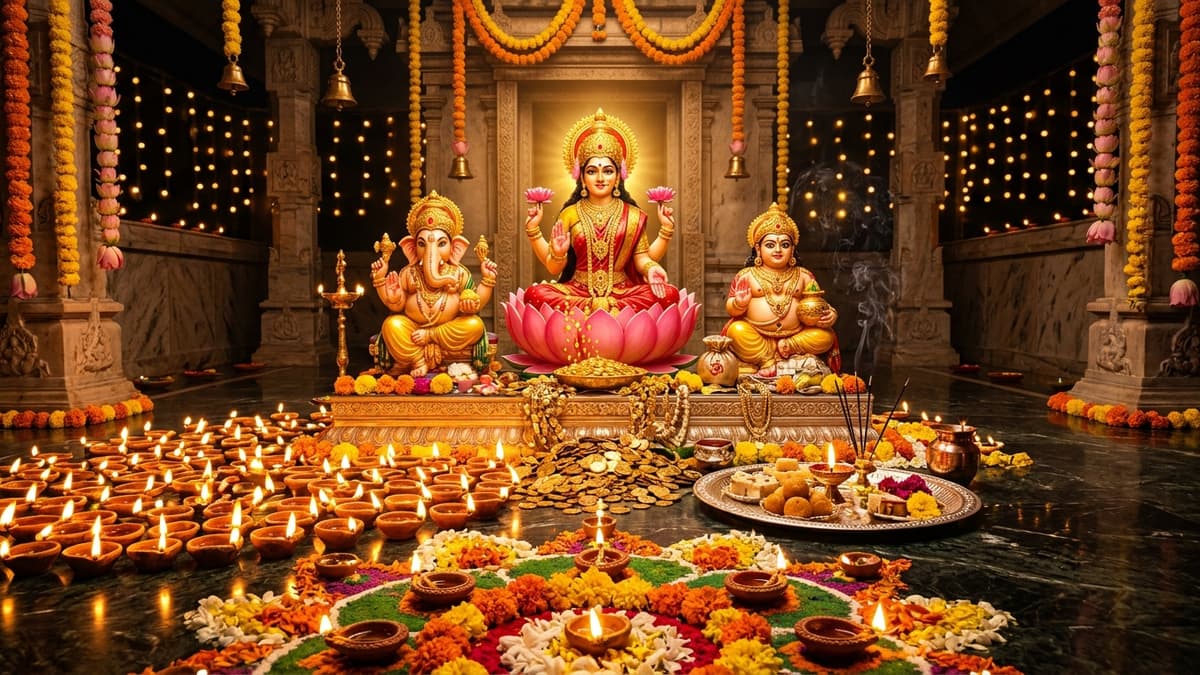
According to sacred verses in the Sanatkumara Samhita and Skanda Purana, on this mystical autumn night, Goddess Mahalakshmi accompanied by Lord Indra descends from Vaikuntha and traverses the terrestrial realm on Her celestial white owl (Uluka). She peeks into homes to bestow wealth, spiritual illumination, and freedom from debt (Rina Mukti) upon devotees who remain awake in prayer, dhyana, and stotram recitation.
| Puja Window | Calculated Timing (IST) | Best Rituals to Perform |
|---|---|---|
| Nishita Kaal (Midnight Golden Window) | 11:42 PM to 12:32 AM (50 Mins) | Kanakadhara Stotram, Sri Suktam recitations, 108 cow ghee deepaks |
| Night Shubh & Amrit Choghadiya | 07:20 PM – 10:35 PM | Preparing sacred Kheer, Satyanarayan Puja, family aarti |
To verify auspicious real-time night Choghadiya divisions for your exact location, check our Live Choghadiya & Shubh Timings Portal.
🥣 3. The Sacred Kheer Ritual & Ayurvedic Science of Moonlight "Amrit Varsha"
The hallmark ritual of Sharad Purnima is preparing sweet Rice Kheer (Payasam) and exposing it to direct moonlight overnight:
The Phenomenon of the 16 Kalas (Lunar Rays): In Vedic astronomy, the Moon embodies the cosmic mind (Chandrama Manaso Jatah) and reigns over medicinal herbs (Somo Vai Raja Aushadhinam). It is exclusively on Ashwin Purnima that the Moon reaches perigee proximity to Earth, radiating with its complete spectrum of all 16 Kalas (divine attributes of pure illumination). The lunar beams showering the Earth are revered as nectarine somaras (Amrit).
Authentic Preparation & Moonlight Exposure Vidhi:
- Sacred Ingredients: Prepare the kheer using pure Indian cow milk (Desi Gai Ka Doodh), newly harvested aromatic rice, raw crystal sugar (Mishri), green cardamom powder, and Kashmiri saffron (Kesar).
- Ideal Utensil: Place the warm kheer in a silver vessel or pristine earthen clay pot. Silver is ruled by Chandra Dev and enhances antimicrobial, cooling frequencies. Never use copper or brass vessels, as milk reacts acidic over hours of ambient exposure.
- Moonlight Bathing: Cover the pot with a clean, porous white muslin cloth or fine metallic sieve. Place it on an open terrace or courtyard under direct moonlight between 08:00 PM and midnight.
- Prasad Partaking: Consecrate the kheer as Mahaprasad to Goddess Lakshmi at midnight, and consume it either after the midnight puja or on Friday morning on an empty stomach after a morning bath.
Ayurvedic Healing Science: Renowned Ayurvedic authorities (Charaka Samhita and Ashtanga Hridaya) document that during autumn (Sharad Ritu), the intense sunshine following the monsoon aggravates internal Pitta Dosha (bile, body heat, and inflammation). Consuming cold, moonlight-infused saffron kheer naturally pacifies Pitta, soothes hyperacidity, sharpens ocular eyesight, enhances digestive serenity, and amplifies cellular Ojas (vital immunity).
🌾 4. Gujarat's Beloved "Doodh-Pauva" Tradition & Terraces Heritage
In Gujarat and Saurashtra, Sharad Purnima is celebrated with unmatched warmth as Sharad Poonam. Every family prepares the celebrated traditional dish Doodh-Pauva (flattened rice flakes steeped in sweetened boiled cow milk enriched with cardamom, saffron, pistachios, and almonds).
Following nine joyous nights of Navratri Garba, families gather on moonlit terraces, singing Ras Garba, reciting folk poems, and enjoying Doodh-Pauva bathed in lunar rays. The soothing, easily digestible combination of milk and poha calms the gastrointestinal system and brings refreshing relief. Compare all festival traditions in our comprehensive Hindu Festivals & Vrats Calendar.
🪈 5. The Divine Vrindavan Maha Raas: Lord Krishna's Raas Purnima Leela
In Vaishnava tradition, Sharad Purnima is celebrated with the highest transcendental reverence as Raas Purnima. As described in the Srimad Bhagavatam (Canto 10, Chapters 29–33 - Raas Panchadhyayi), on this radiant autumn night in the sacred groves of Vrindavan beside the holy Yamuna, Bhagwan Sri Krishna played His bewitching flute (Venu Geet), summoning the Gopis to experience supreme divine communion (Prema Bhakti).
To reciprocate the boundless love of every Gopi, Sri Krishna miraculously multiplied into as many divine forms, dancing simultaneously beside each devotee in the celestial Maha Raas. The Lord extended that single night into a span equivalent to a night of Lord Brahma (millions of earthly years), illustrating the sublime union of the individual soul (Jivatma) with the Supreme Cosmic Soul (Paramatma).
🕉️ 6. Step-by-Step Sharad Purnima Puja Vidhi & Satyanarayan Vrat Katha
Performing Sharad Purnima puja at home dispels negative astrological energies, harmonizes Chandra Dosha in the Janam Kundli, and invites enduring household serenity:
- 1. Morning Bath & Fasting Sankalpa: Rise during Brahma Muhurat, bathe in pure water mixed with a drop of Gangajal, wear white or yellow clothes, and take a solemn vow for a peaceful satvik fast.
- 2. Sri Satyanarayan Vrat Katha: Perform the sacred Satyanarayan Puja in the late afternoon or evening. Read the authentic story and aarti in our 54 Sacred Hindu Vrat Kathas.
- 3. Chandra Arghya at Moonrise: At moonrise (~05:32 PM to 05:54 PM), offer holy Arghya to Chandra Dev using a silver or copper vessel filled with water, raw cow milk, white sandalwood, and white flowers. Practice gentle moon-gazing (Trataka) to calm the mind and soothe the optic nerves.
- 4. Lighting 21 Ghee Diyas: Light 21 pure cow ghee lamps around the Tulsi plant, the home temple, and the open terrace where the kheer is resting.
Sharad Purnima also marks the auspicious countdown to Deepavali. Prepare for the upcoming festival of lights by exploring our comprehensive guide on Diwali 2026-2027 Puja Muhurat & Lakshmi Timings or review the previous year's celebration in Sharad Purnima 2026 Guide.
📿 7. Powerful Chandra & Mahalakshmi Mantras for Peace & Wealth
Chanting these sanctified Vedic mantras on Sharad Purnima night dissolves psychological restlessness, alleviates depression, and attracts prosperity:
Explore our complete collection of daily chants and interactive 108 bead counter in Divine Vedic Mantras & Stotras.
📱 8. Experience 100% Offline Vedic Wisdom on Your Phone
Download Sanatan Hindu Calendar Android App
Never miss an auspicious Tithi, Purnima fast, Shubh Muhurat, or live Choghadiya timing! The Sanatan Hindu Calendar App delivers authentic Drik Siddhanta Panchang calculations, city-wise sunrise and moonrise alerts, 54 holy Vrat Kathas, interactive 108 Japa Mala counter, and Vedic Janam Kundli—entirely 100% offline, free, and privacy-first with zero ads.